

What Your Parents’ Lifestyle Would Cost in Today’s Economy

Your parents may have earned less on paper, but they stretched their paychecks further — much further. The average household in 1990 brought home $29,943 annually, according to the U.S. Census Bureau, which would translate to roughly $78,764 in today's dollars when adjusted for inflation. Yet the current median household income sits at $83,730, barely outpacing those inflation-adjusted numbers from over three decades ago.
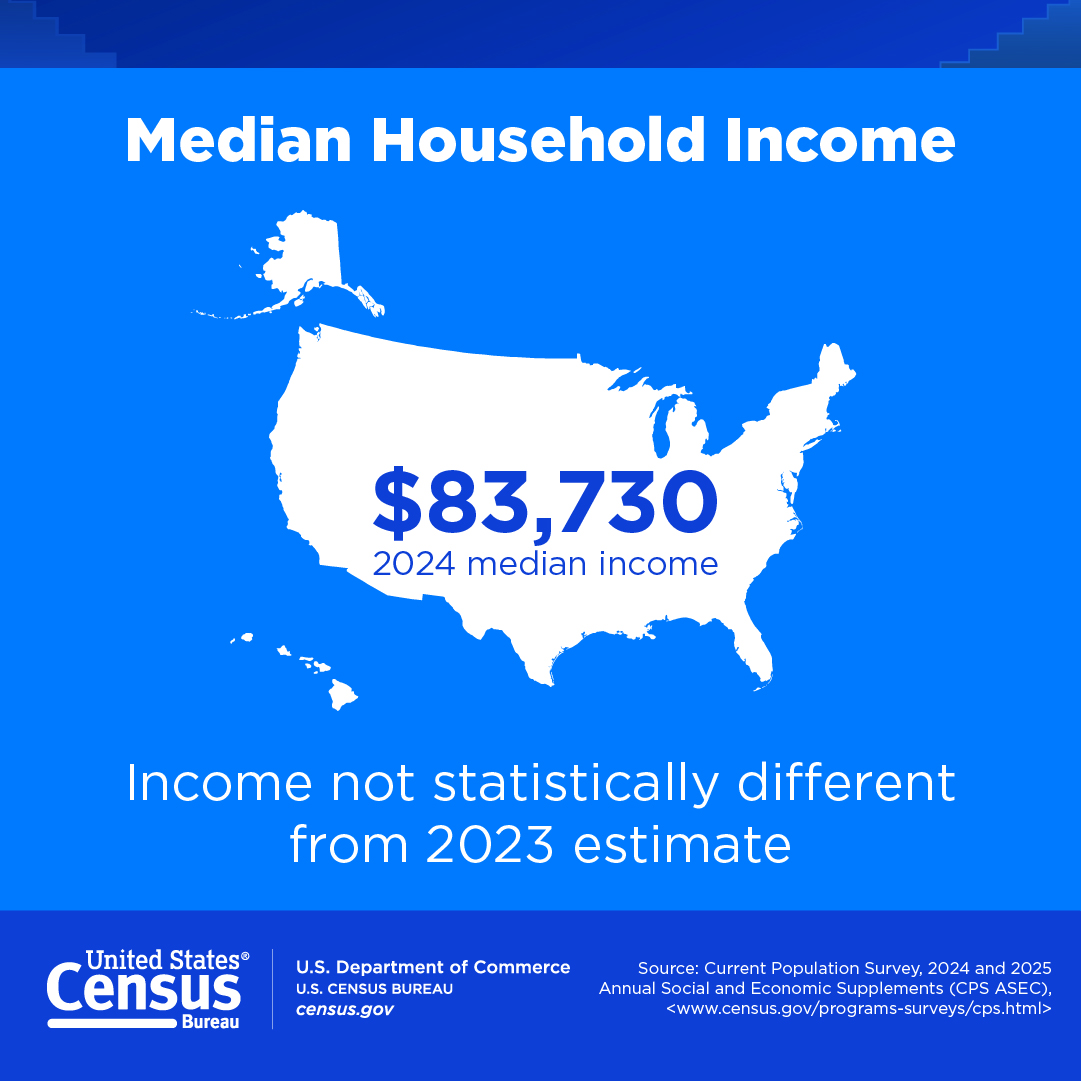
This article breaks down what your parents' 1990 lifestyle would actually cost if you tried to replicate it today. The comparison reveals just how much inflation has outpaced wage growth, and why their financial milestones might feel impossibly distant today.
Keep Learning: What You Could Buy With $10K in 2016 vs. Now
Get Ahead: Start Growing Your Net Worth With Smarter Tracking
Housing
In 1990, the U.S. Census Bureau reported that the median cost of housing for homeowners was $736 per month. Fast forward to 2024 — the most recent available data — and median monthly owner costs for homeowners with a mortgage nearly tripled to $2,035.
If you think the rising cost of homeownership is bad, prepare to be shocked by the price increase for renters.
The median cost of housing for renters in 1990 was $209 per month. In 2024, the median gross rent was $1,487 per month, which is more than seven times the median paid by renters in the '90s.
Childcare
There’s a good chance you’re paying a lot more for childcare than your parents did.
Per the U.S. Census Bureau, childcare averaged $49 per week for children under 15 in 1990. By 2024, 23% of households with kids ages 13 and under were spending $10,520 annually. That's $202.31 per week.
Car Ownership and Gas
The cost of cost of car ownership — i.e., to own and drive a vehicle — was $4,954 per year in 1990, according to Kelley Blue Book. As of 2024, you're looking at $12,296 a year, a jump of 148%.
Gas is a big reason why costs have skyrocketed. In September 1990, the U.S. Energy Information Administration found that the average price of gas was $1.26 per gallon. Today, you're paying $4.48 per gallon, nearly 3.5 times the price.
Groceries and Essentials
Using data from the Federal Reserve Bank of St. Louis, it's clear that grocery costs are significantly higher than they were in the '90s.
A dozen eggs cost $1.22 in January 1990. In May 2026, they're $2.19. A loaf of white bread went from 69 cents to $1.83 — a 165% increase.
These aren't luxury items. These are the basics. And they've gotten substantially more expensive.
Entertainment
When your parents took the family to the movies in 1990, they paid an average of $4.75 per ticket, according to the Washington Post. Tickets are notably pricier in 2025 with MoviePass reporting an average cost of $11.50 each.
In 1990, the average concert ticket for major music acts cost $25 to $50, according to The New York Times. By 2025, the average price of a concert ticket was $127.17, according to Billboard.
As for entertainment at home, the U.S. Government Accountability Office found that basic cable averaged $18.84 per month in 1990. In 2025, Consumer Reports stated that cable television or satellite TV often cost more than $100 per month.
Travel
When your family traveled by plane in 1990, your parents paid an average of $134 per ticket, according to the Federal Reserve Bank of St. Louis. In May 2026, tickets averaged out to $307.31.
Hotel rooms would cost around $56 per night in 1990, according to The Washington Post. That number goes up to $179 per night in 2026, per Kayak.
It might be hard to believe now, but a one-day, one-park adult Disney World ticket was just $31 in 1990, according to Spectrum News. In 2026, a one-day Disney ticket for ages 10-plus starts at $119 — a four-fold increase, at minimum.
This article was provided by MoneyLion.com for informational purposes only and should not be construed as financial, legal or tax advice.
More From MoneyLion: