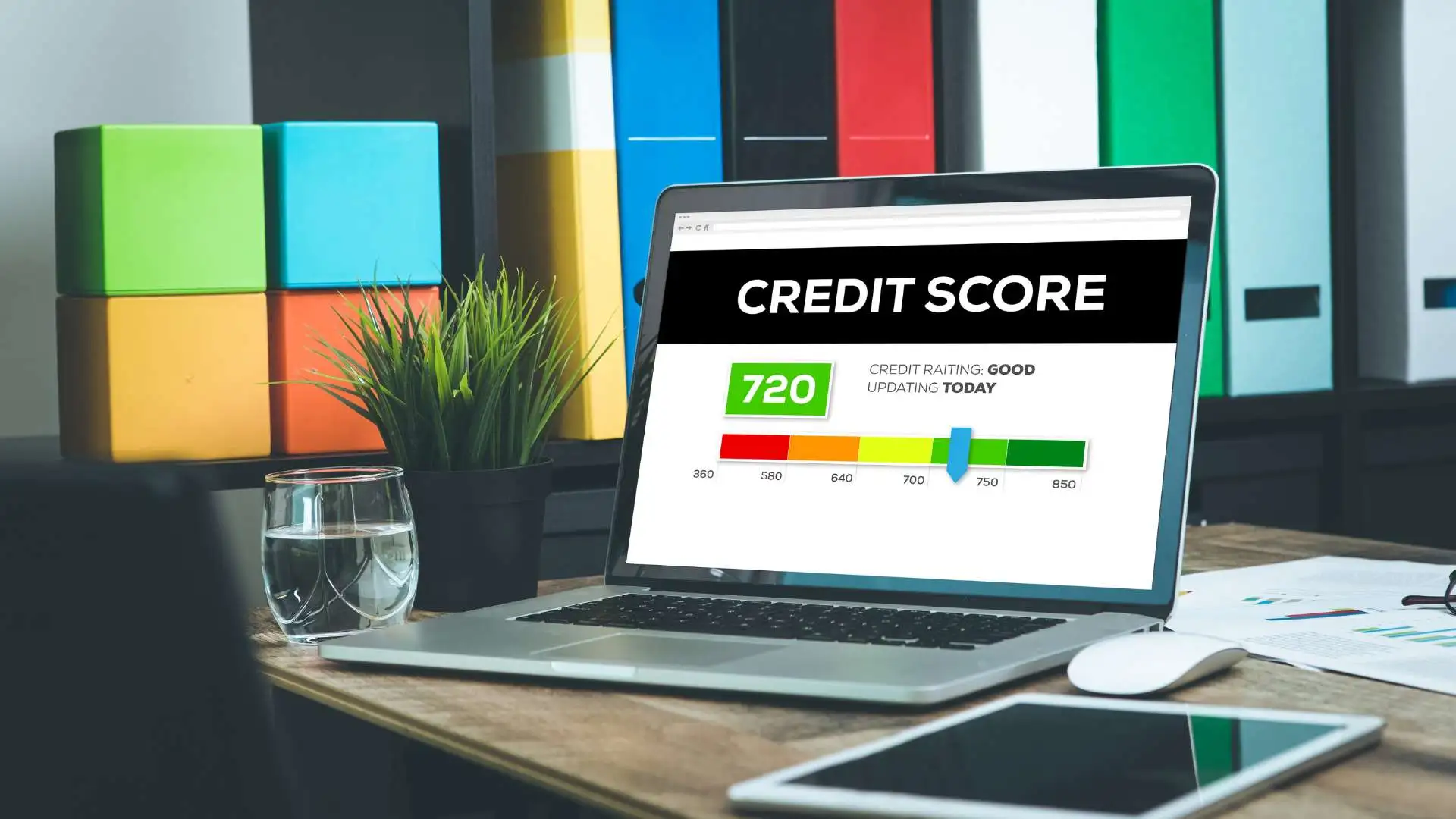
While many people use credit scores and credit reports interchangeably, and the two are related, they are different. Can you have a poor credit report and a good credit score? It’s unlikely, but not entirely impossible. Below, we’ll break down the purpose of each, how they’re different, and what you need to do to keep both in good shape. Read on for a credit score vs. credit report breakdown.
Considering a way to build your credit? Join MoneyLion WOW membership and apply for up to a $1,000 Credit Builder Loan at a competitive rate with no hard credit check.
Table of contents
What is a credit score?
A credit score is a three-digit number that lenders review to determine how responsible or risky you are as a borrower. It represents the statistical probability that you’ll default on a loan. Your credit score is based on your credit report, which is collected and provided by credit bureaus, Experian, Equifax, and TransUnion.
There are different types of credit scores, but the two main ones most lenders use are the FICO® Score and VantageScore®. Poor credit shows lenders they are taking on greater risk by lending to you.
A low credit score generally means a higher risk of financial difficulties that could lead to a loan default. You may have difficulty qualifying for a loan or securing an apartment. You’ll also likely have to pay more for the same financing products as someone with good credit.
While each credit score weighs factors slightly differently, here are the factors and their weights in your FICO score:
- Payment history (35%): This is your repayment history, or whether you’ve been mostly on-time or late on payments.
- Credit utilization rate (30%): How much you owe compared to your credit limit.
- Credit history (15%): This is the length of credit history or the average age of your credit accounts
- Credit mix (10%): This is the type of credit account, such as credit cards, mortgages, auto loans, etc.
- Credit checks (10%): Hard inquiries, or how often you’ve recently applied for new credit, make up the final 10% of your credit score.
What is a good credit score?
Credit scores range from 300 to 850. A good credit score is typically around 700 or higher. For the FICO scoring model, a good credit score is between 670 and 739. For the VantageScore model, a good credit score is between 661 and 780.
The higher your credit score, the better your chances for approval on loans, mortgages, or other debt products. Having good credit will also help you secure the lowest rates on financing, which can turn into considerable savings over the long run.
What are credit scores used for?
Lenders and landlords will review your credit score to determine how likely you are to repay a loan or keep up with rental payments. Your credit score can affect everything from your ability to qualify for a loan to renting an apartment. It’s also one of the most important factors determining the interest rates you’ll receive, which can affect your overall cost of financing. In some cases, employers will also check your credit score.
How to check your credit score
There are different ways to check your credit score. First, you’re entitled to a free credit report from all three credit bureaus at annualcreditreport.com. In addition, many banks and credit card issuers offer free credit scores from either VantageScore or FICO.
American Express, Bank of America, Barclays, Capital One, Chase, Citi, Discover, Wells Fargo and U.S. Bank. You can also get a credit monitoring app. For example, MoneyLion’s credit builder app can help you monitor your credit score.
How to improve your credit score
Tips for improving your credit score include:
- Pay all debts on time: To avoid accidental late payments, set up automatic payments for your credit cards, utility bills, and other expenses.
- Pay off debt: If you’re carrying debt, especially credit card debt, work to repay it over time.
- Pay more often: Paying more than once within a billing cycle can lower your credit utilization and improve your score.
- Limit new credit applications: Applying for multiple new credit cards within a few months could lower your credit score.
- Keep your oldest accounts open: Since credit history is an average of your account ages, keeping older accounts open, even if you don’t use them anymore, can help your credit score. Of course, if these accounts have annual fees it may not work.
- Consider a debt consolidation loan: If you have significant credit card debt, this can be an option to pay off the debt with a lower interest rate.
- Become an authorized user: If you have a friend or family member with a good credit score willing to add you as an authorized user, this can help boost your credit score faster.
- Use a rent reporting company: If you’ve been paying utilities and rent on time, you can use a rent reporting company to get those on-time payments reported to the credit bureaus.
PRO TIP! A good credit score can lead to lower interest rates and increased borrowing power on loans and credit cards. MoneyLion offers a free and convenient way to find offers from our trusted partners to help you improve your credit.
What is a credit report?
A credit report is a ledger of your debt management history produced by one of the three major consumer credit bureaus: Experian, TransUnion, or Equifax. These credit bureaus are in charge of collecting and storing the information that makes up credit reports, which will ultimately determine your credit score.
Your credit report contains your personal information, data on your credit history, credit accounts, and the history of these accounts. These are provided to credit bureaus by the lenders you work with. Within your credit report, you should expect to find the following.
- Personal information: Your name, address, birth year, and more.
- Credit accounts: All the loans, credit cards, or other bills in your name, including open accounts, as well as closed and collection accounts.
- Bankruptcy: Bankruptcy filings from the last seven to 10 years will generally appear on your credit report.
- Recent inquiries: The number of times someone recently checked your credit report, typically as a credit check to decide whether to approve you for a loan, apartment, etc.
What are credit reports used for?
Credit reports give an overview of your credit history and demonstrate your responsibility as a borrower. Most importantly, they calculate your credit score.
How to get a free credit report
You can get a free credit report from all three credit bureaus at annualcreditreport.com. You can also view your credit report online more frequently at the same address. You can also request your credit report by phone or through the mail:
- Phone: (877) 322-8228
- Mail: Download and complete the Annual Credit Report Request form and mail the completed form to:
Annual Credit Report Request Service
P.O. Box 105281
Atlanta, GA 30348-5281
If you need additional physical copies of your credit reports, you can request them at the same address for a fee. By law, a credit reporting company can charge no more than $14.50 for a credit report.
How to dispute an error on your credit report
If you find incorrect information on your credit report, you should dispute that information with the credit bureau Experian, Equifax, or TransUnion. You must file a separate dispute with each bureau that lists the error on your credit report. Explain in writing what is wrong and why, and include copies of documents supporting your dispute.
Here’s how to contact each of the three credit bureaus:
You can contact the nationwide credit reporting companies online, by mail, or by phone:
Equifax
You can reach Equifax online, by phone at (866) 349-5191, or mail the dispute form with your letter to:
Equifax Information Services LLC
P.O. Box 740241
Atlanta, GA 30374
Experian
You can contact Experian online, by phone at (888) 397-3742, or through the mail by sending your credit report and letter to:
Experian
P.O. Box 4500
Allen, TX 75013
TransUnion
You can contact TransUnion online, by phone at (800) 916-8800, or by sending the dispute form and your letter to:
TransUnion Consumer Solutions
P.O. Box 2000
Chester, PA 19016-2000
Note that TransUnion’s phone service is only available Monday through Friday from 8 a.m. to 11 p.m. Eastern time (ET) and Saturday and Sunday from 8 a.m. to 5 p.m. ET.
Why is your credit score different from your credit report?
The relationship between your credit report and credit score is that the former creates the latter. Your credit report ultimately contains the information that will be used to calculate your credit score.
Your credit score is a three-digit figure, so it’s great for quickly determining your responsibility as a borrower. However, your credit report gives a more in-depth look into the makings of your credit score and can provide more detailed information.
Monitoring Your Credit Score vs. Credit Report
Ideally, you should monitor your credit score and credit report. While your credit score is a single-number summary of your likelihood to pay back debt, your credit report contains additional details about your lines of credit, total credit, name, addresses, and more. Keeping an eye on this information can help you quickly dispute inaccuracies and build your credit score over time. You can also develop a plan to improve your credit score in three months.
FAQs
Will checking your own credit report hurt your credit?
No, checking your credit report will not hurt your credit. In fact, it’s important to regularly check your credit report and monitor your credit score.
Do lenders look at credit scores or credit reports?
Lenders usually look at your credit score to determine your creditworthiness. The higher your credit score, the more likely you are to pay back loans on time, thus the lower the risk for the lender.
Is it bad to check your credit score every day?
If you can access credit monitoring tools through your bank or an app, you can check your credit score daily, but you probably won’t see daily changes.